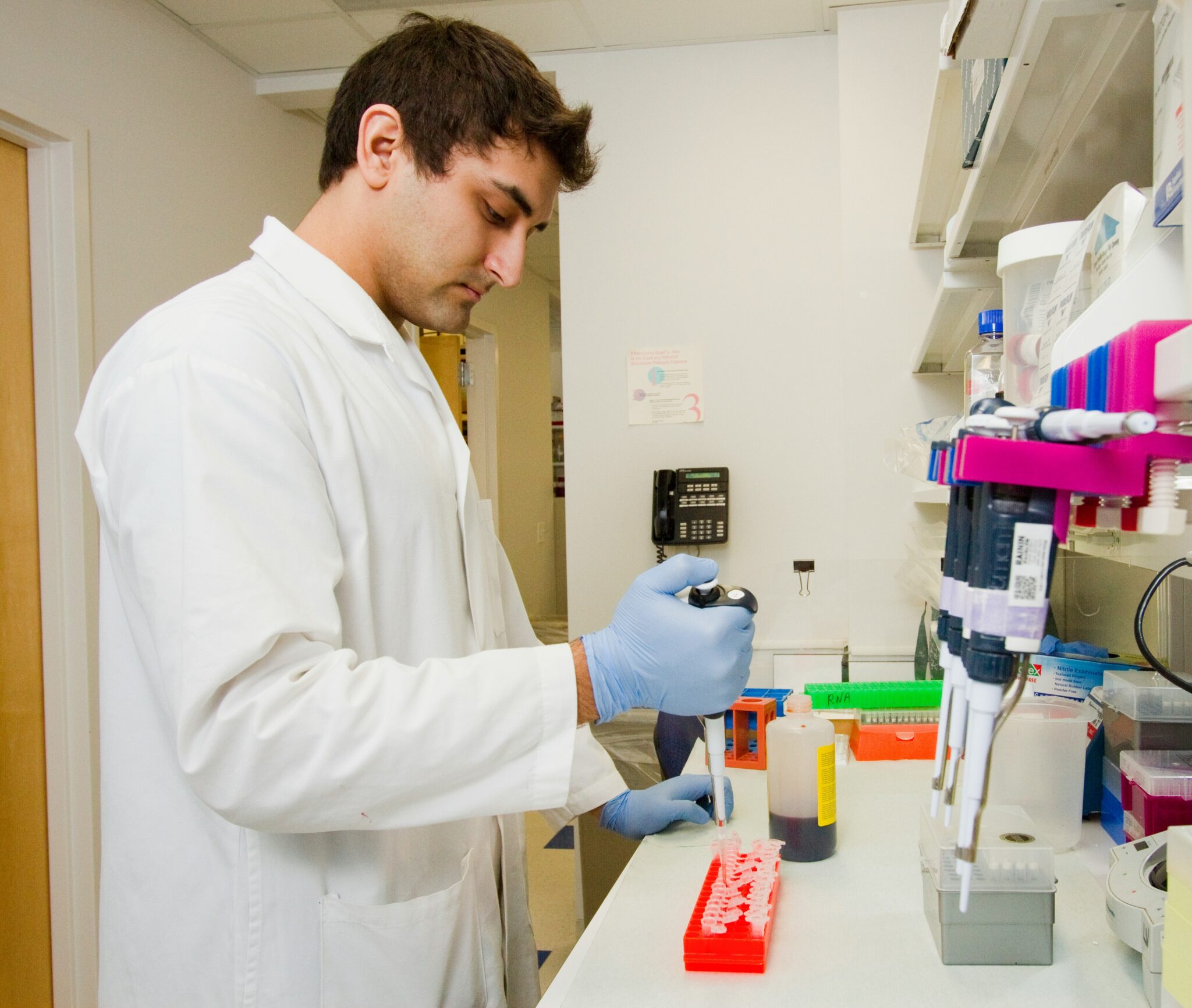
Labs are the backbone of healthcare, providing vital information for diagnosis, treatment, and prevention of diseases. However, many labs are facing a serious challenge: how to staff their facilities with enough qualified professionals to meet the growing demand for testing.
This crisis is not a new problem but has worsened because of several factors over the past few years. These factors include, such as:
The gap between staffing needs and workplace availability is already large but growing, and the supply of new graduates is not keeping up with the demand. Many labs are struggling to fill their vacancies.
The lab staffing crisis has serious implications for the quality of patient care and the sustainability of the healthcare system. These consequences include but are not limited to, labs running at a less than efficient capacity, staff fatigue, difficulty keeping up with the current and growing demand for testing, and reduced innovation and adoption of game-changing technologies which may limit the ability of labs to provide cutting-edge testing and services. This could negatively affect patient outcomes, satisfaction, safety, and increase costs and liability for healthcare providers.
The solution to the lab staffing crisis is not obvious or easy, but it’s not impossible either. There are some promising strategies that can help labs address this challenge and improve their workforce recruitment and retention, such as:
The lab staffing crisis is a serious problem that affects the quality of patient care and the sustainability of the healthcare system. However, we can improve upon this problem and potentially solve it. There are some innovative solutions that can help labs overcome this challenge and improve their workforce recruitment and retention but require collaboration and support from various parties including lab managers, educators, policymakers, professional associations, and healthcare leaders. By implementing these solutions, we can make great strides in ensuring that labs have enough qualified professionals to meet growing lab demand for testing, and provide vital information for diagnosis, treatment, and prevention of diseases.